English
 简体中文
简体中文 VIETNAM-IMMI.ORG


Last Update: Friday February 27, 2026
Vietnam’s visa waiver policy makes travel incredibly convenient for many nationalities. Being able to enter the country without applying for a visa in advance saves time, money, and paperwork. However, visa-free entry does not mean rule-free entry. Every year, travelers are denied entry to Vietnam or face unexpected issues simply because they misunderstood the conditions.
If you’re planning to enter Vietnam under the visa exemption program, it’s important to understand the rules clearly — especially the Vietnam visa waiver re-entry rules, stay limits, and airport procedures. In this guide, we’ll break down the most common mistakes and explain what not to do when entering Vietnam visa-free, so your trip starts smoothly.
Key Takeaways — What You’ll Learn in This Article
-
Vietnam visa exemption allows stays of up to 45 days or less (depending on nationality)
-
Overstaying even briefly can cause serious issues
-
Always carry proof of onward travel
-
Passport validity rules still apply
-
VIP fast-track services can simplify airport arrival
Understanding Vietnam’s Visa Waiver Policy
Know the 45-Day Stay Rule
Most eligible travelers can stay in Vietnam up to 45 days without a visa (depending on nationality and updated government policies).
One of the biggest mistakes travelers make is assuming:
-
They can extend visa-free stays easily
-
Overstaying by “just a few days” won’t matter
In reality, overstaying — even by one day — can lead to fines, complications for future visits, or problems at departure.
If you plan to stay more than 45 days, you must apply for the appropriate visa in advance. The visa exemption is strictly time-limited.
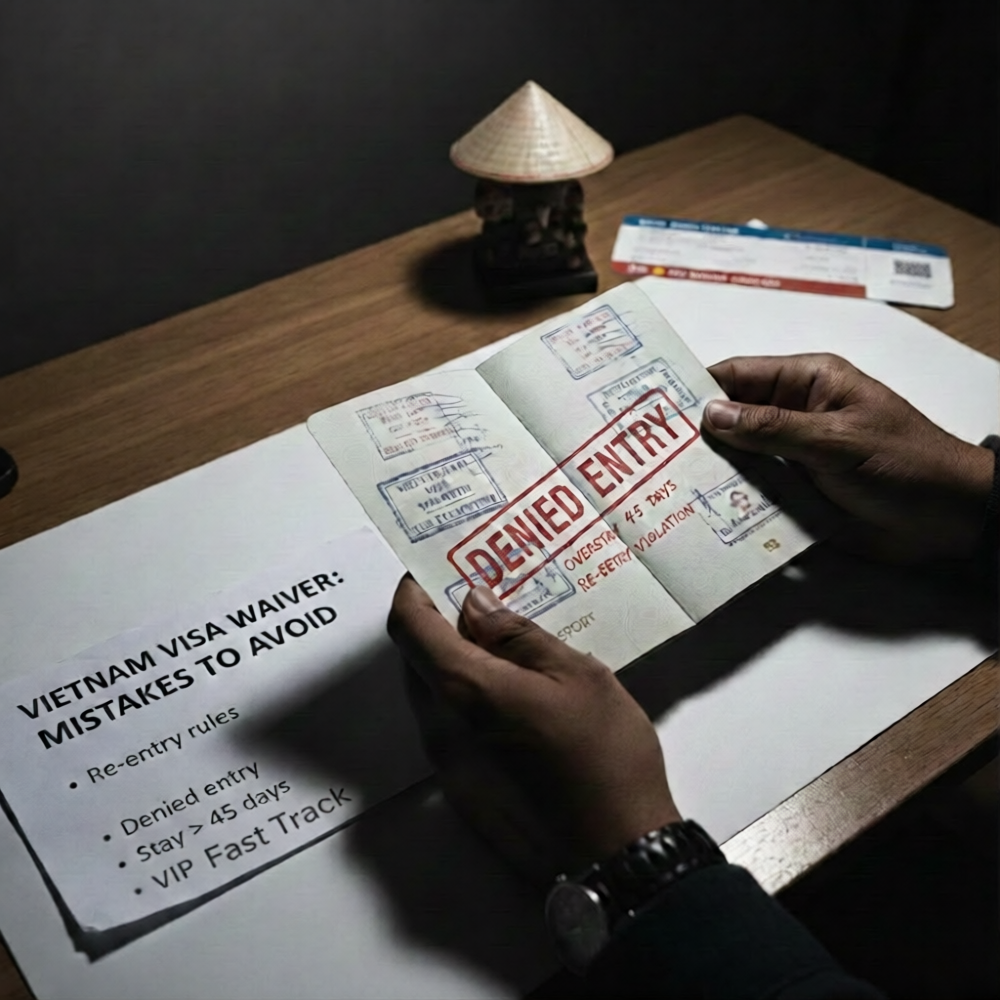
Photo: Collected
Common Mistakes That Lead to Denied Entry
No Proof of Onward or Return Ticket
Another common mistake is arriving without proof of departure. When entering Vietnam visa-free, you may be asked to show:
-
A return flight ticket
-
A confirmed onward ticket to another country
Failing to provide this can lead to boarding denial by airlines or entry issues upon arrival. Airlines are especially strict because they are responsible for passengers refused entry.
Passport Validity Issues
Visa exemption still requires:
-
A passport valid for at least 6 months
-
At least two blank pages
Travelers sometimes assume that visa-free means fewer requirements — but passport rules remain strict. A passport close to expiration can result in denied entry in Vietnam visa exemption cases.
Overstaying or Misusing the Visa Waiver
Staying More Than 45 Days Without a Proper Visa
This is one of the most serious mistakes. Overstaying can result in:
-
Daily fines
-
Immigration records flagged
-
Difficulty re-entering Vietnam in the future
Even if the overstay was accidental, immigration authorities treat it seriously.If you realize you will stay more than 45 days or the time you can be visa-free, you should apply for the visa with a longer period of stay.
Using the Visa Waiver for Long-Term Living
Visa exemption is designed for tourism or short business visits — not long-term residence. Repeated short-term entries may raise suspicion. Immigration officers may ask about:
-
Your employment
-
Your accommodation
-
The purpose of frequent visits
If your travel pattern appears inconsistent with tourism, entry may be restricted.
What Not to Do When Entering Vietnam Visa-Free
To avoid unnecessary stress, here’s a quick summary of what not to do:
-
Do not overstay beyond the time you are eligible for visa exemption
-
Do not assume re-entry always guarantees another visa-free period
-
Do not arrive without a return or onward ticket
-
Do not travel with a passport close to expiration (under 6 months validity)
-
Do not rely on outdated visa information
Vietnam’s immigration policies can update periodically, so always verify before departure.
Enhance Your Arrival with Vietnam Airport VIP Fast Track
Traveling visa-free is a great advantage, but it doesn't exempt you from the standard airport hustle. To ensure your journey remains as seamless as possible, we offer Vietnam Airport VIP Fast Track services specifically designed for visa-exempt travelers.
While these services do not alter visa regulations, they provide a premium layer of convenience by bypassing the common stresses of international arrival.
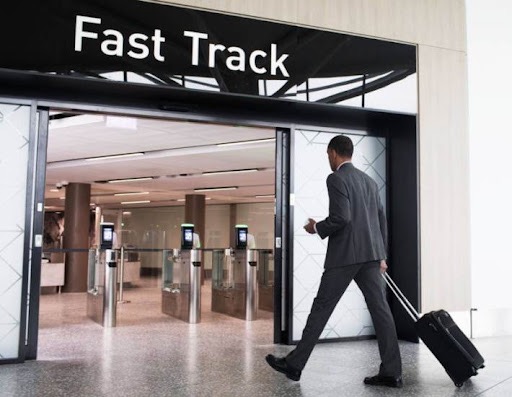
Photo: Collected
Who is this service for?
Fast Track is a favorite among travelers who value their time, particularly:
-
Families with Children: Skip the restless waiting and get to your hotel faster.
-
Business Professionals: Maximize your productivity by avoiding hour-long queues.
-
Elderly Travelers: Reduce physical strain with priority processing and assistance.
-
First-Time Visitors: Navigate unfamiliar terminals with the confidence of having a local expert by your side.
Frequently Asked Questions (FAQs)
1. Can I stay more than specific days under Vietnam’s visa waiver?
No. If you plan to stay longer, you must apply for a proper visa.
2. What happens if I overstay my visa exemption?
You may face fines, exit delays, and potential issues with future entries.
3. Is fast-track service necessary for visa-free travelers?
It’s optional, but the Vietnam airport VIP fast track can reduce waiting time and make arrival more comfortable.
Vietnam’s visa waiver program makes travel easier — but only if you follow the rules carefully. By understanding the conditions and avoiding common mistakes, you can enter confidently and enjoy your trip without complications.
Whether you need a fast visa, airport fast track, private car, or eSIM, Vietnam-Immi.org is here 24/7 to support your trip.
- Whatsapp: +84379522522
- Hotline: +84.379.522.522
- Email: [email protected]